
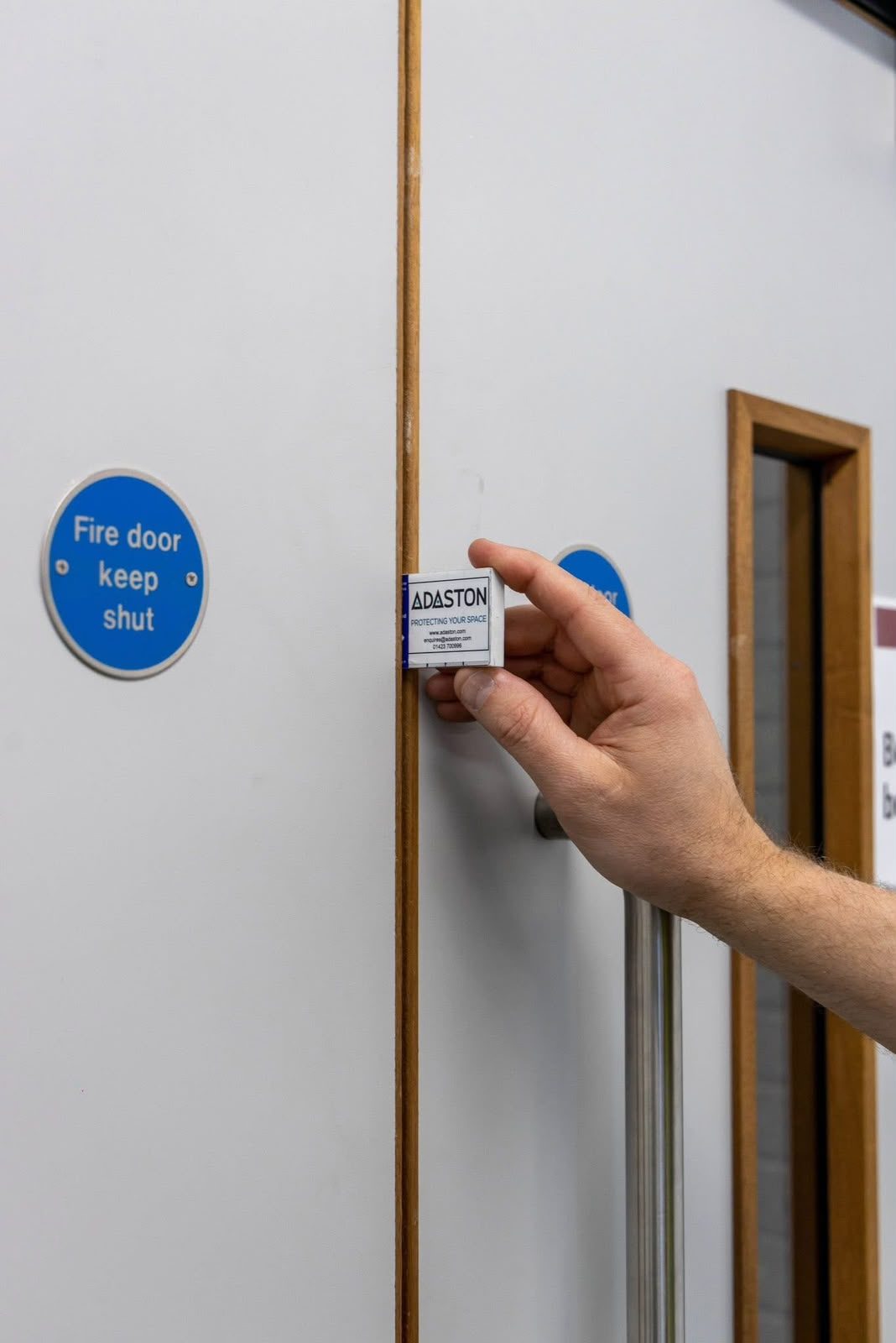
Fire Safety
Fire Risk AssessmentsFor Glasgow Properties
Know which fire risks need attention and what to do next, with a practical assessment of your premises. Start with a free initial site survey and get a clear scope without working through the requirements alone.
Free, no-obligation site survey
FIA Registered
BAFE & SSAIB in progress
£10m Insured
Public & employers' liability
Up to 3-Year Warranty
When we install & maintain
24/7 Call-Outs
Day or night
Service overview
Turn fire safety responsibilities into a practical action plan
A fire risk assessment examines how a fire could start, who could be harmed and whether the precautions in place are suitable. It looks beyond the presence of alarms and extinguishers to consider escape routes, occupancy, everyday working practices and the way the building is managed. The result should help the responsible person make informed decisions, rather than simply create another document to file.
H.E Fire & Security is based in Kilsyth and serves commercial, industrial and relevant residential premises across Glasgow and Central Scotland. An assessment is particularly useful when you take responsibility for a building, change how rooms are used or need to understand whether existing precautions still match your activities. The scope must reflect the property and its legal context, not a checklist borrowed from another business.
Professional assessment helps connect visible conditions with the people and activities they affect. A locked exit, combustible storage beside electrical equipment or an unfamiliar visitor may each change the level of risk. We explain findings in understandable terms so that you can prioritise action, allocate responsibility and plan follow-up work without assuming every issue requires new equipment.
The cost of waiting
A fire safety folder cannot compensate for unmanaged risks
Documents become unreliable when they no longer describe the building in use. An assessment needs to consider real escape arrangements, actual occupancy and the way hazards are controlled from day to day, including conditions that may only become apparent during a site visit.
Escape routes that fail in practice
Stored goods, unsuitable locks or poorly understood exit arrangements can delay evacuation. An assessment considers how people would leave from their normal locations, not just where exits appear on a plan.
Precautions that no longer fit
A changed layout or different activity may leave detection, emergency lighting or firefighting equipment poorly matched to the risk. Existing equipment is not evidence that the overall arrangements remain suitable.
People overlooked in planning
Visitors, lone workers and people needing assistance may face different evacuation difficulties. Their needs should inform arrangements before an incident, rather than depend on improvised help during an emergency.
Important actions left unresolved
A list of findings without priorities or ownership can leave serious issues outstanding. Clear actions help management distinguish matters needing prompt attention from improvements that can be planned and tracked.
Common mistakes we see
- Treating an old assessment as current after changes to occupancy, layout or activities.
- Assuming an alarm installation certificate replaces a fire risk assessment of the premises.
- Buying equipment before establishing which risks and legal duties apply to the building.
- Filing the report without assigning actions, reviewing progress or communicating relevant findings.
Our process
How We Deliver Fire Risk Assessments
- 01
1. Survey the premises and responsibilities
We begin with a free initial site survey to understand the premises, activities and assessment scope. Relevant plans, previous assessments and available maintenance records help establish what is already known and where closer inspection is needed.
- 02
2. Examine hazards and existing precautions
The assessment considers ignition sources, combustible materials, people at risk and measures intended to prevent fire or support escape. We discuss practical routines with the person responsible, because a building can behave differently from the way its paperwork suggests.
- 03
3. Develop proportionate recommendations
Findings are translated into actions that address the identified risks. Recommendations should distinguish management changes from equipment or building work, helping you plan proportionately instead of assuming that every concern calls for a complete replacement system.
- 04
4. Check findings and priorities
We review the assessment findings against the information available and explain any limitations or areas needing specialist investigation. You can ask how recommendations relate to your premises and clarify what needs attention before planning further work.
- 05
5. Complete the handover and next steps
You receive the agreed assessment output and guidance on keeping it under review. An assessment is not an installation warranty; if separately commissioned new installation work follows, our installation warranty terms are explained with that project.
What you get
The Benefits, in Plain Terms
Reach decisions sooner
An organised review brings hazards, precautions and responsibilities together, reducing the time spent chasing disconnected answers about what the premises need.
Improve evacuation safety
Considering occupants and escape arrangements together helps identify practical barriers before people have to navigate the building during a fire.
Keep precautions relevant longer
Review triggers and recorded actions help you adapt fire safety arrangements as the property changes, rather than rely indefinitely on an outdated assessment.
Spend against identified needs
Prioritised recommendations help separate necessary remedial action from optional upgrades, supporting planned spending without promising that assessment will remove every future cost.
Make management more dependable
Defined actions and ownership support consistent checks, clearer records and better follow-through when responsibilities pass between managers or shifts.
Understand your next step
Plain explanations let you ask informed questions and make decisions with a clearer view of the risks, while keeping responsibility where the law places it.
In depth
Fire risk assessment advice for Scottish premises
Related services
Fire risk assessments and Scottish fire safety law
For many non-domestic premises, duties arise under Part 3 of the Fire (Scotland) Act 2005 and the Fire Safety (Scotland) Regulations 2006. The applicable duties depend on the premises and the role of the person involved. An assessment supports the duty to identify risks and take appropriate measures; it is not a blanket certificate that every legal obligation has been met.
Residential settings need careful scoping. A private home, shared accommodation and premises with communal areas can involve different requirements and guidance. Tell us how the property is occupied and managed so the assessment can be framed correctly. We do not assume the rules for an office apply unchanged to every block of flats or rented house.
What an on-site assessment considers
The inspection considers sources of heat and ignition, combustible materials, housekeeping and arrangements intended to contain or detect fire. Escape routes, signs, emergency lighting and firefighting equipment may all be relevant. Available records help establish whether precautions are being maintained, but a record alone cannot confirm the current condition of every concealed building element.
Access limitations matter. Locked rooms, inaccessible voids or missing information can restrict what an assessor can conclude. Where specialist inspection or further evidence is needed, that should be identified rather than replaced by an assumption. A useful assessment explains its scope and limitations alongside its findings so you know what remains unresolved.
Offices, shops and industrial buildings
An office may need particular attention to escape routes, visitor arrangements and changes to partitions. Shops can introduce public access, stock storage and exits that must remain usable during trading hours. The assessment should reflect the way the premises operate, including conditions during opening, closing and periods with fewer staff present.
Industrial premises may involve hot work, machinery, combustible packaging or processes requiring specialist input. We discuss the activities involved before agreeing the scope. Fire risk assessment should complement appropriate process-specific advice and workplace controls, not pretend that a general building inspection resolves every technical hazard associated with production.
Reviews after changes or an incident
A fixed review date can help management, but significant changes may require an earlier review. Altered escape routes, new machinery, different occupancy or evidence that precautions are ineffective can all matter. A fire or serious near miss is also a reason to reconsider assumptions rather than wait for the next planned administrative review.
Keep records of completed actions and communicate changes to the people affected. Where an assessment identifies work on fire alarms, emergency lighting or extinguishers, the next step is to define the required scope and obtain a project quote. The assessment itself does not replace the separate inspection, servicing or verification required for those systems.
Fire Risk Assessments Across Central Scotland
FAQ
Fire Risk Assessments Questions
We offer a free initial site survey and quote per project. The assessment fee depends on the size, use and complexity of the premises, available information and agreed scope. The free survey is not the completed fire risk assessment; it helps establish what work is required before you commit.
Free site survey · No obligation
Know which fire safety actions matter next
Book a free initial site survey with H.E Fire & Security. Call 07380 866221 to discuss your premises and a clearly scoped, project-specific assessment quote.
4 engineers · FIA registered · £10m insured