
Support & Maintenance
Fire Alarm Servicing & RepairsAcross Glasgow
Get your fire alarm faults understood and your servicing organised without guessing what needs replaced. We inspect the system, explain the findings and agree the work needed to restore dependable protection.
Free, no-obligation site survey
FIA Registered
BAFE & SSAIB in progress
£10m Insured
Public & employers' liability
Up to 3-Year Warranty
When we install & maintain
24/7 Call-Outs
Day or night
Service overview
Understand the equipment and the work it needs
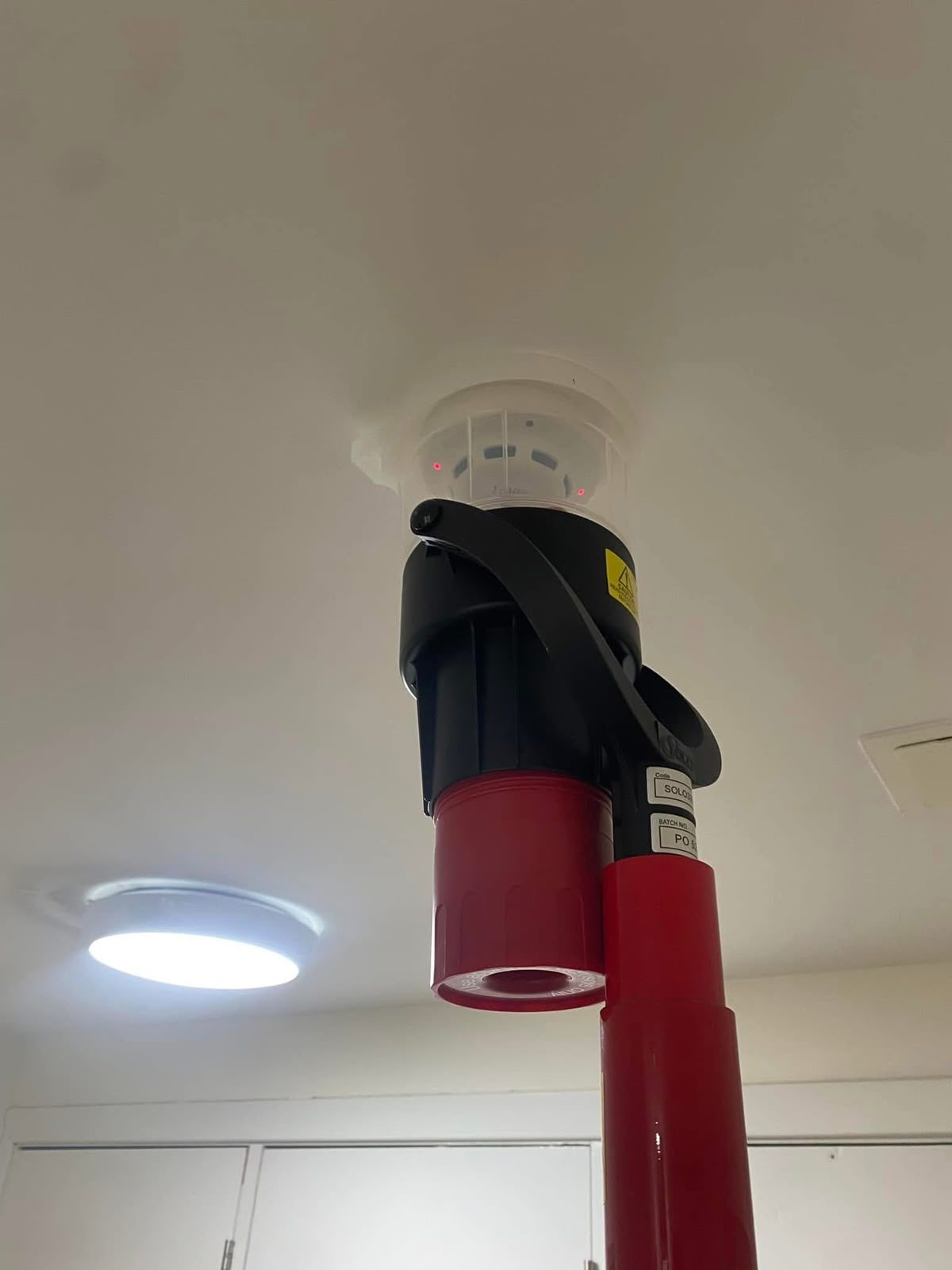
Fire alarm servicing is a planned inspection and test of the equipment intended to detect fire and warn people in a building. Repair work deals with identified faults, damaged components or performance problems. Neither activity should be reduced to pressing a test button: effective work needs an understanding of the system, the premises and how alarm signals are expected to operate.
This service is for managers of commercial premises, industrial operators and people responsible for fire alarm systems in relevant residential settings. It is useful when a panel shows a fault, unwanted alarms keep interrupting work or maintenance records are incomplete. Taking over a building is also a sensible point to establish what equipment is fitted and what servicing arrangements already exist.
A professional investigation can distinguish a faulty device from a wiring issue, power problem or unsuitable detector location. That distinction matters because replacing parts without diagnosing the cause can leave the same problem unresolved. H.E Fire & Security explains findings and proposed work so you can plan repairs with a clearer understanding of the system and any remaining limitations.
The cost of waiting
Small warning signs can leave important protection uncertain
Equipment can remain in place for years while its condition, suitability or maintenance needs change. The important question is not simply whether it is present, but whether it remains appropriate for the premises and what evidence supports confidence in its operation.
A fault becomes normal background noise
An acknowledged fault still needs investigation. Repeated warnings can become familiar while the underlying problem continues to affect part of the system or its ability to report a developing fire.
Unwanted alarms disrupt the premises
Repeated activations interrupt work and may reduce confidence in genuine warnings. Investigating environmental conditions, device suitability and system history is more useful than repeatedly resetting without understanding the trigger.
Changes leave gaps in detection
Partitions, new room uses or altered ceilings can affect the original design. A maintenance visit can identify concerns, but significant changes may require design review rather than a like-for-like component repair.
Missing records hide recurring problems
Without a useful logbook or service history, intermittent issues can be difficult to trace. Recording activations, faults and repair work helps engineers distinguish isolated incidents from a pattern needing further investigation.
Common mistakes we see
- Resetting a panel repeatedly without recording the fault message or investigating the cause.
- Assuming the weekly user test replaces periodic servicing by a competent person.
- Painting, covering or relocating detectors during decorating without seeking appropriate advice.
- Leaving an isolated zone out of service after building work has finished.
Our process
How We Deliver Fire Alarm Servicing & Repairs
- 01
1. Survey the system and fault history
We establish the building use, available system information and reason for the visit. Panel indications, recent changes and records help define a sensible inspection or repair scope before work begins.
- 02
2. Diagnose faults and agree the work
We investigate relevant devices, circuits, power supplies and interfaces as appropriate to the symptoms. Findings guide the recommendation, with repair and replacement options explained before additional work is authorised.
- 03
3. Service or repair the agreed equipment
Work follows the agreed scope and the requirements of the installed system. Any isolation or temporary impairment needs to be managed with the responsible person, including suitable precautions while protection is affected.
- 04
4. Test operation and confirm limitations
Affected functions are checked after work, with attention to alarm signals and relevant system responses. Testing is coordinated with occupants and, where applicable, monitoring arrangements to avoid unnecessary disruption or unintended attendance.
- 05
5. Hand over records and explain cover
We explain completed work, unresolved findings and recommended next actions. New installations carry a one-year warranty, or three years when installed and maintained by H.E Fire & Security; repair scope and any applicable cover are clarified separately.
What you get
The Benefits, in Plain Terms
Resolve faults with less guesswork
A structured diagnosis focuses work on the cause of the problem, helping avoid repeated visits based only on the latest symptom.
Support effective warning
Checking relevant devices and alarm functions helps identify defects that could affect detection or the warning people receive during a fire.
Protect usable equipment
Planned servicing can identify deterioration and maintenance needs before a neglected component causes a wider problem or an avoidable replacement decision.
Make repair spending more informed
Clear findings let you compare a targeted repair with a larger upgrade where appropriate, rather than commit to replacement without evidence.
Reduce recurring disruption
Reviewing fault and activation history supports a more dependable system and a better understanding of why unwanted alarms have been occurring.
Leave with clear records
A useful handover gives the responsible person a clearer account of completed work, outstanding issues and the maintenance tasks still needing attention.
In depth
Fire Alarm Servicing & Repairs explained for local properties
Related services
Conventional and addressable fire alarm repairs
Conventional systems typically identify an affected zone, while addressable systems can provide more specific information about individual devices. The information available at the panel influences the investigation, but a displayed location does not always prove which component has failed. Wiring conditions, contamination and environmental factors may still need checking.
Tell us the panel make and model if you know it, along with the exact message displayed. A photograph can help communicate the symptoms when arranging a visit. Compatibility and parts availability matter when planning a repair; an older system may need further investigation before a replacement component can be specified.
Periodic servicing and routine user tests
BS 5839-1 provides recommendations for non-domestic fire detection and alarm systems, including inspection and servicing. Servicing intervals should reflect the system and risk; under its recommendations, the interval between periodic inspection and servicing visits should not exceed six months. This is distinct from the routine user checks carried out between visits.
Domestic systems are addressed by BS 5839-6, and the maintenance approach depends on the equipment and setting. We establish what is installed rather than automatically apply a commercial maintenance routine to household alarms. The responsible person should keep appropriate records and seek advice when the scope or standard relevant to the premises is unclear.
Investigating false alarms and intermittent faults
Steam, dust, aerosols, insects and changes in room use can contribute to unwanted activations. The appropriate response depends on the detector technology, location and fire strategy. Changing sensitivity, replacing detector types or moving equipment must be considered carefully; reducing nuisance alarms must not undermine the intended level of protection.
Intermittent faults benefit from a clear history. Note when a problem occurs, what the panel reports and whether any work or unusual activity happened nearby. Never put yourself at risk to collect information. A record of the symptoms can help direct investigation, although it cannot replace testing of the relevant equipment.
Occupied premises, interfaces and monitored alarms
Work in offices, shops and industrial premises needs coordination so occupants understand test signals and temporary restrictions. Some systems also interface with doors, ventilation or other building functions. Those connections need to be understood when planning checks, because activating the alarm can do more than sound bells or sirens.
Where a system is monitored, test arrangements should be coordinated with the relevant monitoring process. H.E Fire & Security offers 24/7 monitoring, but this must be specifically arranged; it is not automatically included in a servicing visit. Monitoring also does not guarantee emergency service attendance, which depends on the arrangements and applicable response policies.
Fire Alarm Servicing & Repairs Across Central Scotland
FAQ
Fire Alarm Servicing & Repairs Questions
We offer a free initial site survey and quote per project. The price depends on the premises, equipment, access and agreed scope of work. There are no fixed package prices to assume before the system or property has been reviewed. Any additional recommended work is explained so you can make an informed decision.
Free site survey · No obligation
Make your next maintenance or installation decision clearer
Call 07380 866221 to arrange a free initial site survey. H.E Fire & Security will discuss your premises, explain the proposed scope and provide a project-specific quote without fixed-price assumptions.
4 engineers · FIA registered · £10m insured