Support & Maintenance
Fire Extinguisher ServicingAcross Glasgow
Keep your extinguishers ready for their intended use, with clear checks and straightforward advice on defects. Arrange a free initial site survey and get a project quote based on your premises and equipment.
Free, no-obligation site survey
FIA Registered
BAFE & SSAIB in progress
£10m Insured
Public & employers' liability
Up to 3-Year Warranty
When we install & maintain
24/7 Call-Outs
Day or night
Service overview
Understand the equipment and the work it needs
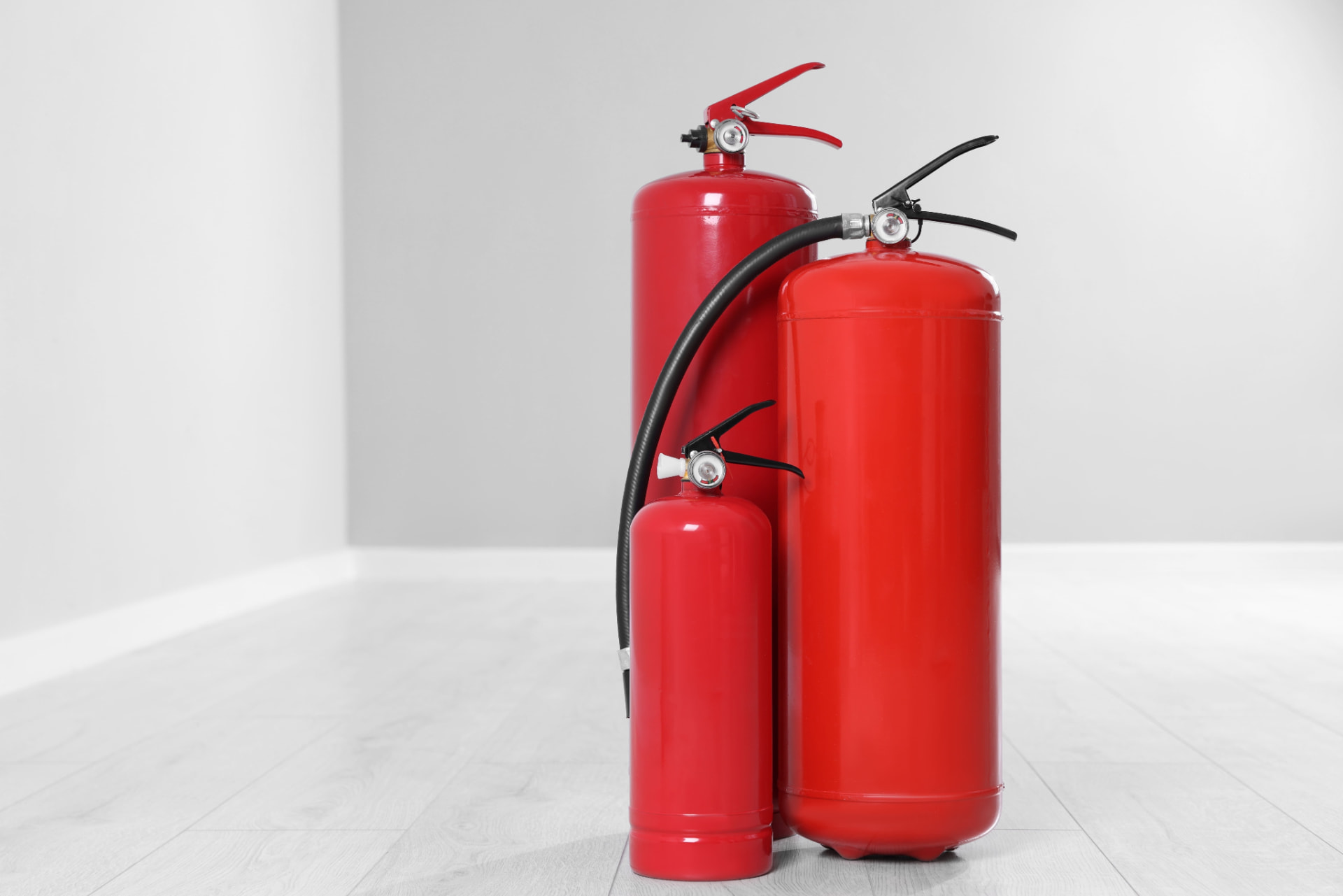
Fire extinguisher servicing checks the condition and service requirements of portable firefighting equipment. It helps establish whether an extinguisher remains suitable to stay in service or needs further attention, replacement or specialist work. The assessment should consider its location and intended fire risks as well as the condition of the cylinder, operating parts and identification.
This service is for workplaces, commercial premises, industrial sites and relevant managed residential settings where extinguishers form part of the fire precautions. It is needed when routine servicing is due, records are unclear or equipment has been used or damaged. A change in activities can also mean the available extinguisher types no longer match the hazards nearby.
Professional servicing follows an equipment-specific procedure rather than relying on appearance or a pressure gauge alone. Different extinguishers have different mechanisms and maintenance requirements, and not every defect is obvious during a casual walk past. H.E Fire & Security explains the condition found and the recommended action, helping you avoid retaining unsuitable equipment or replacing serviceable units without a reason.
The cost of waiting
Small warning signs can leave important protection uncertain
Equipment can remain in place for years while its condition, suitability or maintenance needs change. The important question is not simply whether it is present, but whether it remains appropriate for the premises and what evidence supports confidence in its operation.
Equipment may fail when needed
Damage, corrosion or a discharged unit can leave an extinguisher unable to perform as intended. A tidy appearance does not establish that its contents and operating mechanism are in a serviceable condition.
The extinguisher may not suit the hazard
Changes in activities or equipment can make the original selection inappropriate. Fire classifications and specific hazards matter, particularly where cooking oils, electrical equipment or specialist materials are involved.
Access may be obstructed
An extinguisher behind stored goods or an awkward door may be difficult to reach. Servicing should prompt attention to the location and visibility of equipment, not just the label attached to it.
Service history can become unreliable
Missing labels and records make it harder to establish maintenance needs and previous findings. Clear documentation supports planned action, especially when responsibility moves between different managers or contractors.
Common mistakes we see
- Assuming an extinguisher is serviceable because its pressure indicator appears normal.
- Returning a partly used extinguisher to its position without arranging appropriate attention.
- Keeping the same extinguisher selection after introducing different processes or cooking equipment.
- Treating extinguisher provision as a substitute for evacuation planning and fire prevention.
Our process
How We Deliver Fire Extinguisher Servicing
- 01
1. Survey the equipment and premises
We review the number, types and locations of extinguishers alongside available records and the activities on site. The free initial site survey helps establish the servicing scope and any obvious access or suitability questions.
- 02
2. Identify service requirements and defects
Equipment details and condition inform what maintenance is due. We explain any units needing further work, replacement or more specialist attention, rather than treat every extinguisher as though it follows the same service cycle.
- 03
3. Carry out the agreed servicing work
Checks and maintenance are undertaken according to the equipment type and applicable procedure. Any recommendation to remove equipment from use is explained so the responsible person can arrange suitable continued provision.
- 04
4. Verify condition and placement
The outcome of the work is checked and relevant issues with positioning, accessibility or identification are highlighted. Extinguisher servicing does not normally involve discharging every unit during every routine maintenance visit.
- 05
5. Complete records and explain next actions
We record the agreed servicing work and explain outstanding recommendations. Servicing is not a new installation warranty; our one-year new-installation warranty, extended to three years for systems we install and maintain, is discussed only where applicable to separate installation work.
What you get
The Benefits, in Plain Terms
Organise maintenance efficiently
A scoped visit and equipment information help you plan access and deal with several servicing needs together, instead of responding separately to each overdue label.
Identify unsafe equipment
Condition checks help reveal units that should not remain in service, reducing reliance on damaged, used or otherwise unsuitable firefighting equipment.
Keep serviceable units working
Appropriate maintenance supports the useful life of equipment that remains fit for purpose, while recognising when continued use is no longer sensible.
Avoid unsupported replacement decisions
A condition-led recommendation helps distinguish servicing needs from replacement needs, giving you a clearer basis for spending on your fire equipment.
Maintain a dependable equipment record
Consistent identification and service information make it easier to track what is present, what has been checked and what still requires action.
Know what occupants can rely on
Clear findings reduce uncertainty about equipment condition, while keeping the limits of portable extinguishers and the importance of safe evacuation in view.
In depth
Fire Extinguisher Servicing explained for local properties
Related services
Water, foam, powder and carbon dioxide extinguishers
Extinguisher types are intended for different fire risks, and selection should follow the hazards present rather than a preference for a particular cylinder colour or size. Water-based products, foam, powder, carbon dioxide and wet chemical equipment each have applications and limitations. Some specialist hazards require equipment beyond these common categories.
The suitability of an extinguisher also depends on the environment where it will be used. Electrical hazards, food preparation, sensitive equipment and enclosed occupied spaces can affect selection. A servicing visit can identify a need to review provision, but a label alone cannot confirm that the wider fire risk assessment remains adequate.
Routine maintenance and BS 5306-3
BS 5306-3 provides recommendations for the commissioning and maintenance of portable fire extinguishers. Basic servicing is generally carried out annually, with additional maintenance requirements depending on extinguisher type and the manufacturer's instructions. Extended service or overhaul requirements should be established for the actual unit rather than inferred from an approximate installation date.
Routine visual checks by the responsible person remain important between service visits. These can identify missing units, damage, obstruction or signs of use without attempting specialist maintenance. If you find a concern, report it and arrange advice. Do not dismantle a pressurised extinguisher or attempt an improvised repair to keep it in service.
Used, damaged or corroded extinguishers
An extinguisher that has been used, even briefly, needs appropriate attention before returning to service. Leakage or loss of pressure can affect later performance, and the remaining contents may not be obvious from outside. Damage or corrosion likewise requires assessment rather than simply cleaning the surface and attaching a fresh service label.
Where equipment needs removal, the responsible person should consider how suitable fire protection will be maintained. Replacement and disposal requirements should be discussed within the project scope. Pressurised cylinders are not ordinary general waste, and a defective unit should not be stored indefinitely in an accessible position where someone could mistake it for usable equipment.
Workplaces and managed residential settings
Offices and shops often have relatively stable layouts, but stock movement, refurbishment and new electrical equipment can alter access or risks. Industrial sites may introduce more varied hazards, outdoor locations or harsher conditions that affect extinguisher condition. The maintenance plan should reflect those circumstances and any concerns identified during routine checks.
Residential provision needs its own assessment. Extinguishers are not automatically appropriate in every communal area, and their presence must fit the applicable fire safety arrangements. We discuss the premises and existing strategy rather than recommend identical provision for a private home, a shared residential building and a commercial workshop.
Fire Extinguisher Servicing Across Central Scotland
FAQ
Fire Extinguisher Servicing Questions
We offer a free initial site survey and quote per project. The price depends on the premises, equipment, access and agreed scope of work. There are no fixed package prices to assume before the system or property has been reviewed. Any additional recommended work is explained so you can make an informed decision.
Free site survey · No obligation
Make your next maintenance or installation decision clearer
Call 07380 866221 to arrange a free initial site survey. H.E Fire & Security will discuss your premises, explain the proposed scope and provide a project-specific quote without fixed-price assumptions.
4 engineers · FIA registered · £10m insured